 blog
9 Sustainable Activewear Brands for Yoga in 2026
Quick Summary
The best sustainable activewear for yoga combines recycled or natural fibres with proven performance, such as four-way stretch and secure waistbands. Brands like Patagonia, Asquith and MATE the Label offer clear sustainability positioning, and buyers should check certifications and material breakdowns rather than relying on eco labels.
- Check the material breakdown and care label together, since a fabric's origin does not guarantee performance.
- Synthetic fibres like recycled polyester shed microfibres during washing, which filter bags can reduce.
- Look for named certifications and published supplier lists rather than vague words like eco or green.
- Cost per wear, not purchase price, shows whether premium activewear is worth buying.
- Washing in cold water, avoiding fabric softener and air-drying help yoga clothes last longer.
Table of Contents
- Why Sustainable Activewear Matters for Yoga Practice
- How We Compared the Brands: Materials, Fit, Claims and Price
- Materials Compared: Organic Cotton, Bamboo, Recycled Nylon and Polyester
- Sustainable Yoga Leggings That Stay Put in Complex Poses
- Eco-Friendly Yoga Clothes Beyond Leggings: Tops, Bras and Layers
- Ethical Activewear Brands Worth Knowing and What Each Does Well
- Checking Sustainability Claims: Certifications, Transparency and Microplastics
- Cost Per Wear: Is Premium Sustainable Activewear Worth the Price?
- Caring for Yoga Clothes so They Last, and Booking Your GrantB Fitting
- Frequently Asked Questions
Last Updated: November 11, 2026
Sustainable activewear is no longer a niche concern for yoga practitioners, and the market reflects that shift. GrantB Sportswear has put together this guide to nine sustainable activewear brands for yoga in 2026, so you can see which labels earn their claims and which ones simply borrow the language.
Why Sustainable Activewear Matters for Yoga Practice
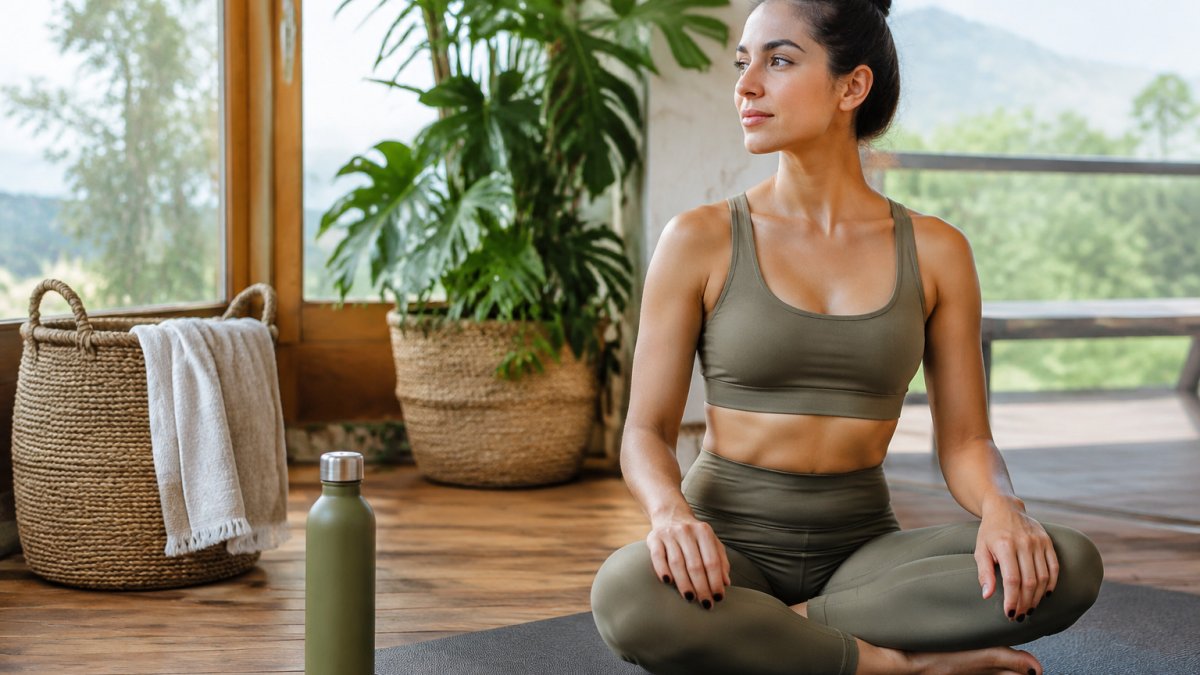
Yoga is built on movement that demands a lot from fabric: deep stretches, inversions, long holds and constant sweat. The clothes you wear need to breathe, move and keep their shape over hundreds of sessions. Sustainability adds a second question: what happened to the material before it reached your mat, and what will happen to the garment when you are finished with it?
Many shoppers now ask both questions. A growing number of brands use recycled polyester, organic cotton or responsibly sourced bamboo, but the quality of those materials and the honesty of the labelling vary widely. That gap is why this guide focuses on evidence rather than marketing.
How We Compared the Brands: Materials, Fit, Claims and Price
We assessed each brand against five criteria: the materials used, how the garments perform during yoga poses, the strength of its sustainability claims, transparency about its supply chain, and value over time. Where a brand publishes certifications or supply chain information, we looked at what those documents actually say. Where it does not, we say so.
Materials Compared: Organic Cotton, Bamboo, Recycled Nylon and Polyester
Most sustainable activewear sits in one of three material families: natural fibres such as organic cotton and bamboo, recycled synthetics such as recycled polyester and recycled nylon, and bio-based synthetics made from plant-derived feedstocks. Each family solves different problems and creates different trade-offs, and those trade-offs matter more for yoga than for casual wear because the fabric is stretched, sweated in and held against the skin for long sessions.
Organic cotton is breathable and comfortable against the skin, but it absorbs moisture and stays wet longer than synthetics.
Bamboo fabric, most often sold as bamboo viscose or bamboo lyocell, feels soft and drapes well. The sustainability picture is more mixed than the marketing suggests: viscose production uses chemical processing, and the closed-loop lyocell route is considerably less common.
Recycled polyester and recycled nylon are common performance fibres in sustainable yoga wear. Synthetic fibres release microfibres during washing, and the amount depends on fabric construction and how the garment is cared for.
When you compare products, check the material breakdown and the care label together. A fabric labelled "recycled" or "bamboo" tells you the origin of the fibre, not how the garment will perform or how it will shed, so always read the composition and the wash instructions before buying.
The three material families differ in how they handle moisture, sustainability and shedding, so the table below sets them side by side. For a direct breakdown of technical fabric versus cotton for comfort, sweat control and durability, see the separate comparison.
| Material | Key trade-off | Note |
|---|---|---|
| Organic cotton | Breathable but stays wet longer | Natural fibre, comfortable on skin |
| Bamboo viscose or lyocell | Soft and drapes well | Viscose uses chemical processing; lyocell is less common |
| Recycled polyester and nylon | Performance fibres | Shed microfibres during washing |
| Bio-based synthetics | Plant-derived feedstock | Covered in article's material overview |
Sustainable Yoga Leggings That Stay Put in Complex Poses
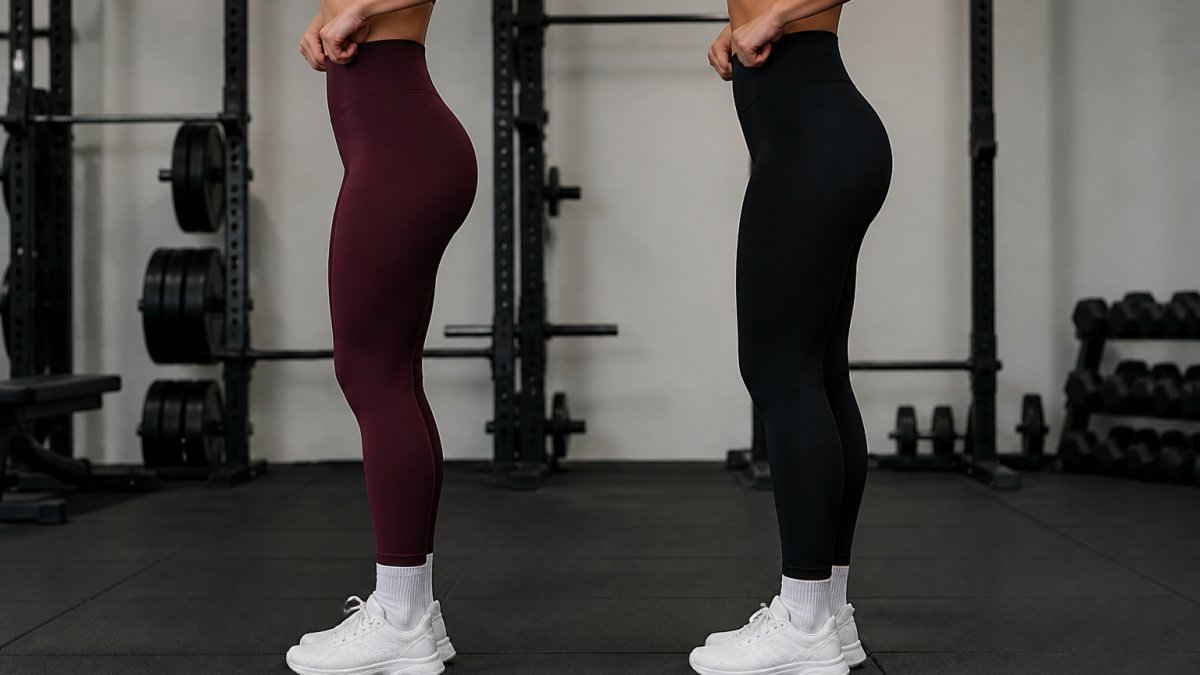
Leggings are where most yoga practitioners feel the difference between a good brand and a poor one. A waistband that slides during a low lunge or a forward fold is frustrating.
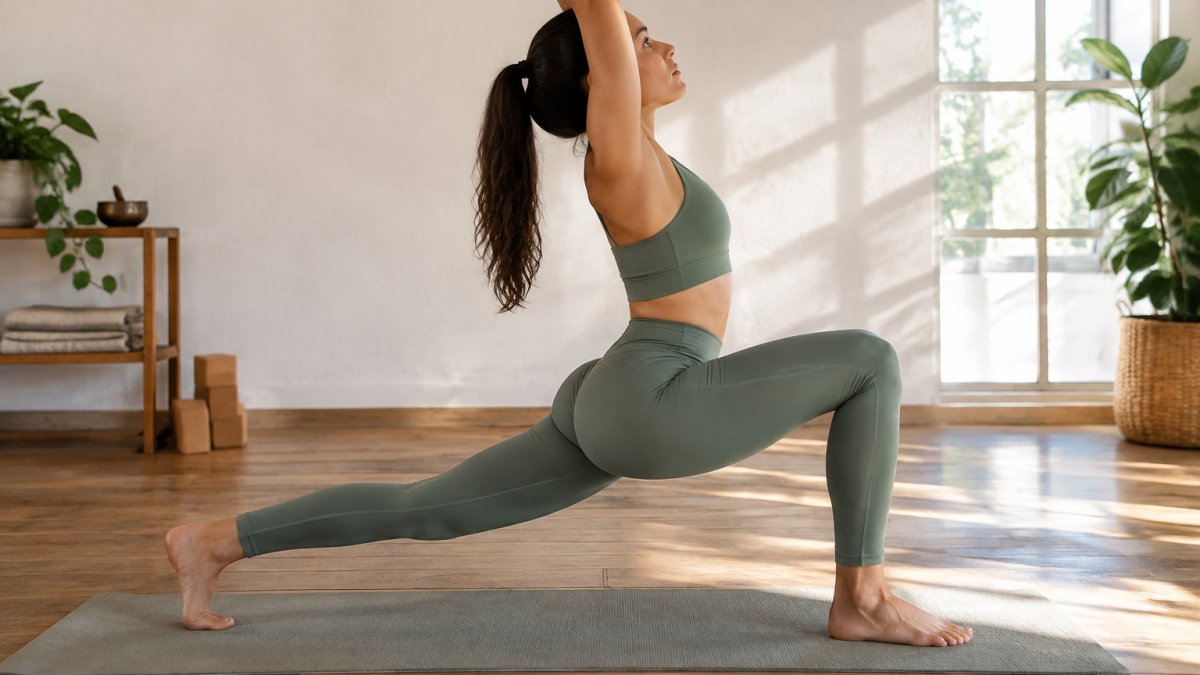
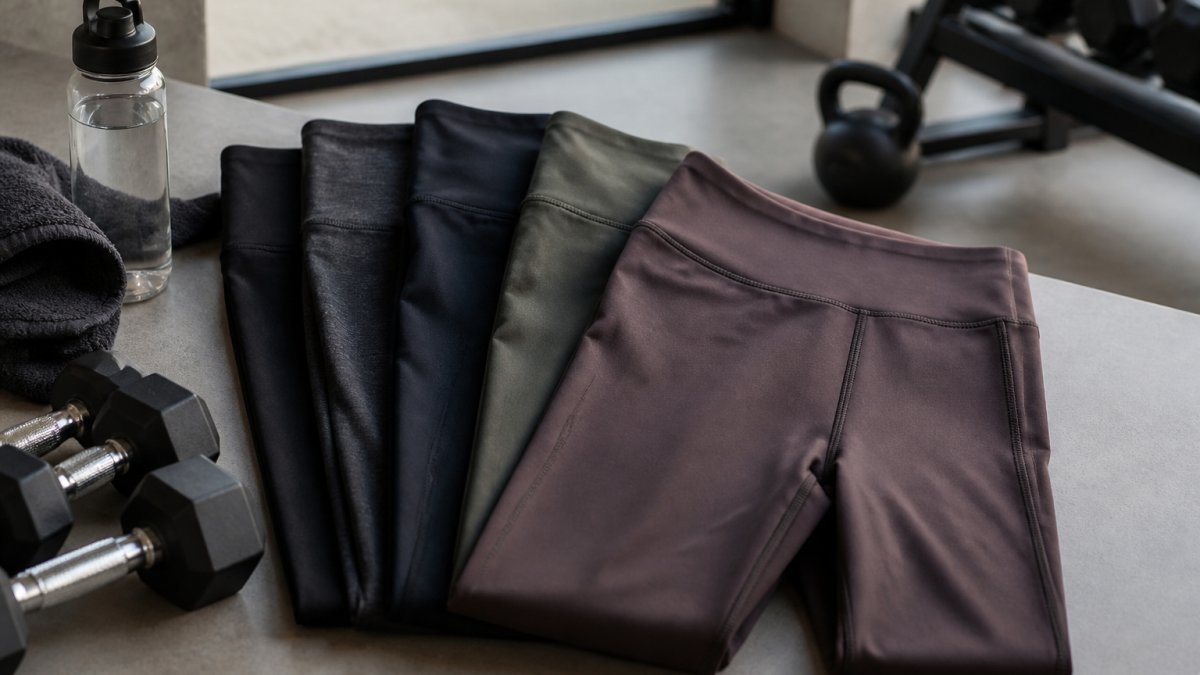
When you assess sustainable yoga leggings, look at four-way stretch, a high-rise waistband with some compression, and a seam layout that doesn't dig in during deep hip openers. Our women's training leggings guide covers choosing leggings suited to demanding movement. Try the leggings in a full range of poses before you commit, if the retailer's return policy allows it.
Eco-Friendly Yoga Clothes Beyond Leggings: Tops, Bras and Layers
Tops and bras matter just as much for yoga, especially in inversions and twists where a loose top rides up. Support is the priority for a sports bra used in flow classes, and a structured yoga bra behaves differently from a high-impact sports bra. To understand how yoga bras differ from sports bras before you buy, read our explainer. Layers such as lightweight cropped jackets are useful for cooler studios and for travel.
Recycled fabrics are now common in this category too, so check the material breakdown on each piece rather than assuming the whole range is sustainable.
Ethical Activewear Brands Worth Knowing and What Each Does Well
The brands below are ones we would point a serious yoga practitioner towards, each with a clear strength:
Patagonia. Strongest on supply chain transparency and material certifications. Best for buyers who want documented evidence before purchase.
Asquith. A recognised UK name for ethical yoga clothing. Best for shoppers who want a British brand with clear sustainability positioning.
MATE the Label. Known for leggings and sports bras that move easily from gym to loungewear. Best for people who want one piece for several settings.
GrantB Sportswear. Our own range is built around premium gymwear designed to sculpt and support through demanding movement. You can find current prices on the GrantB Sportswear website, as pricing depends on the product and any active promotions.
Checking Sustainability Claims: Certifications, Transparency and Microplastics
Words such as "eco", "conscious" and "green" carry no fixed meaning. Look for named certifications, a published list of factories or material suppliers, and a clear statement on how the brand handles end-of-life garments.
Microplastics are a real consideration for synthetic activewear, since synthetic fibres shed during washing (Fight fast fashion, unwearables and clothes swaps). Washing in a filter bag, washing less often and avoiding high heat all reduce shedding. Natural fibres shed differently but are not automatically better for the environment.
Cost Per Wear: Is Premium Sustainable Activewear Worth the Price?
Cost per wear is the simplest way to compare a premium piece with a cheaper one, because it accounts for how long the garment actually lasts rather than what it costs on the day you buy it. The calculation is the purchase price divided by the number of times you expect to wear it before it is retired. The hard part is estimating that number honestly.
Consider how a premium piece compares with a cheaper one over its working life. The premium price only pays off if the garment genuinely lasts; if it fails at the same point as a cheaper pair, the extra cost buys you nothing.
This is why the estimate matters more than the formula. Consider three factors before you decide: how many sessions you practise each week, whether the fabric is likely to stay opaque and supportive after repeated washing, and how you will care for it. Practitioners who wash in cold water and air-dry often find garments last longer than those who tumble-dry at high heat.
Premium pricing does not automatically mean a longer life. Check whether a brand offers a replacement policy, since a warranty that covers pilling or seam failure effectively extends the garment's working life.
For price-conscious shoppers, buying during sales can improve the figure, but only if the sale item is the same quality you would otherwise buy. Current prices and any promotions are on the GrantB Sportswear website. Compare the cost per wear at full price against the discounted price for the same product before deciding, and avoid treating a discount as a reason to buy something you would not wear at all.
A practical rule is to buy one or two premium core pieces you will wear most, such as everyday leggings, and to spend less on items you wear occasionally, such as a layer for travel. This concentrates spending where the cost per wear is lowest and keeps the overall wardrobe affordable.
Caring for Yoga Clothes so They Last, and Booking Your GrantB Fitting
Washing in cold water, avoiding fabric softener, and air-drying all extend the life of activewear. Fabric softener in particular coats synthetic fibres and reduces their ability to wick moisture. Rotating two or three pairs instead of wearing one pair every day also helps garments keep their shape longer.
If you are deciding whether a GrantB Sportswear piece will suit your practice, check the product details and sizing on the website and compare them against the criteria above. For sizing questions or fit advice, contact the GrantB Sportswear team directly before you order.
Frequently Asked Questions
What are the best sustainable activewear brands for yoga?
The strongest sustainable yoga brands are judged on supply chain transparency, material certifications and Fair Trade practices. Check each brand's current certifications directly before buying, as claims change.
Are recycled fabrics a sustainable choice for yoga leggings?
Recycled polyester is a common material in sustainable activewear. It still sheds microfibres when washed. Look for recycled content backed by a named certification, and wash in a filter bag or with a microfibre-capturing device to reduce shedding.
How should I wash yoga clothes to make them last longer?
Wash on a cool cycle, turn leggings inside out, and avoid fabric softener, which coats performance fibres and reduces moisture management. Air dry where possible. Washing less often and spot cleaning between sessions also extends the life of a garment.